Meritíssimo · Our dishes · Pastel de feira
Thin dough, blistered and loud, fried to order. The snack of the Brazilian street market — its immigrant history, and why it is nothing like an empanada.
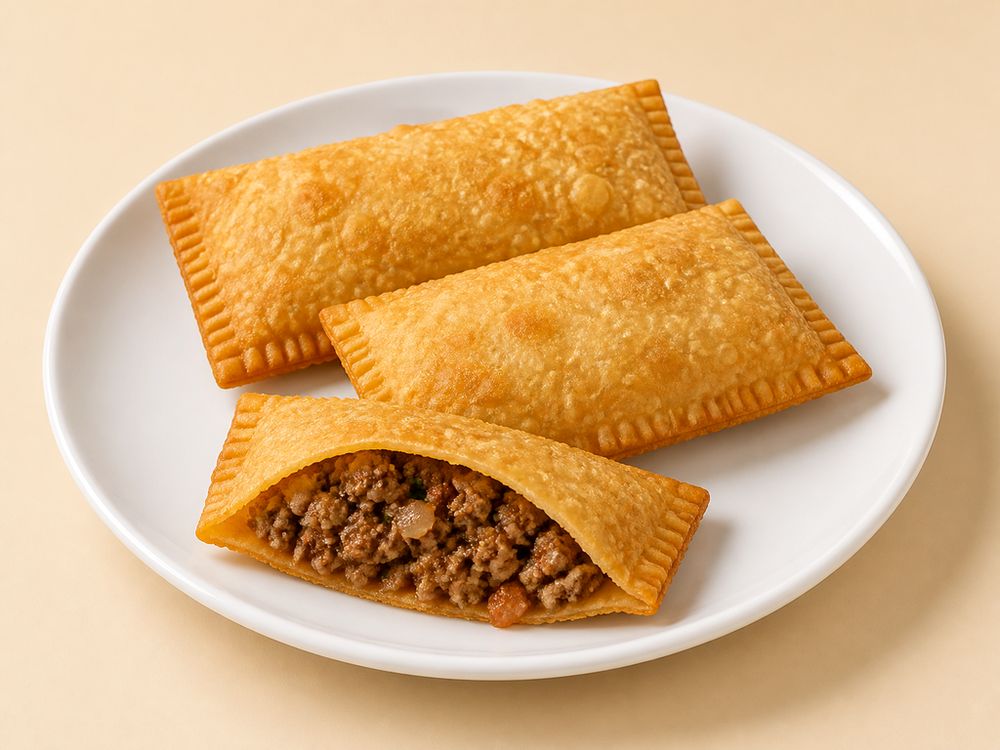
A rectangle of thin dough, blistered and golden, so crisp that it cracks and drops crumbs on the plate when you bite it. Inside, hot filling and steam. The pastel is Brazilian street food in its purest form, and the place it belongs is the feira — the open-air street market that takes over a neighbourhood one morning a week.
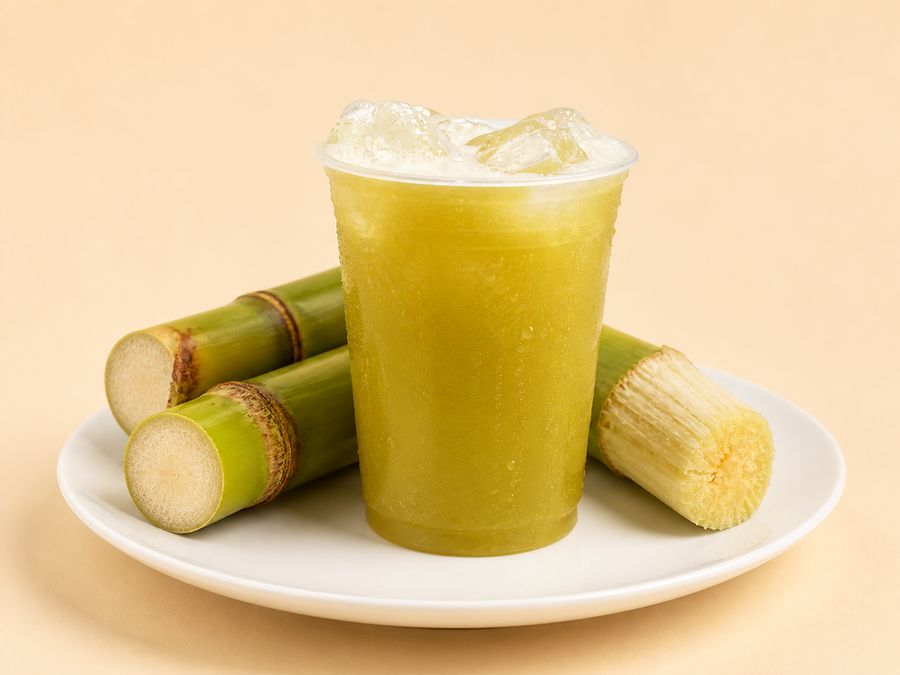
Brazilians do not go to the feira only to buy vegetables. They go, buy, and then stop at the pastelaria stand at the end — a fryer, a counter, plastic stools, and a queue. You order, you wait, and it comes out too hot to hold. With it, a glass of caldo de cana, sugarcane juice pressed right there. That pairing is not a suggestion, it is the law.
The pastel as Brazil knows it took shape in São Paulo, and the most repeated account credits Japanese immigrant families who adapted a fried Chinese roll into something Brazilians would recognise and buy, then sold it from stalls at the feiras. There is a further layer often told: in the years around the Second World War, being visibly Japanese in Brazil was dangerous, and running a stand selling what passed as Chinese food was a way to keep working with less trouble.
How much of that is documented and how much is oral history is honestly hard to pin down — it is repeated everywhere and proven nowhere. What is not in dispute is the outcome: the pastel stopped being anyone's foreign food and became Brazilian, sold on every feira in the country.
That bubbled, uneven surface is the whole signature, and it is not an accident. The dough is rolled very thin and a little alcohol goes into it — traditionally cachaça or vinegar. It evaporates fast in the hot oil, pushes the layers apart, and leaves the blisters. Then the edge gets sealed with a fork or a roller, so the filling stays in and the steam builds inside.
Which is also the warning: the first bite releases steam. Every Brazilian has burned the roof of their mouth on a pastel and done it again the following week.
An empanada is a thicker dough folded in a half-moon, often baked, and its texture is soft. A pastel de forno is the baked Brazilian cousin, closer to a pie. The pastel de feira is none of that: rectangular, thin, deep fried, crisp and loud. Ordering one expecting the others is how people end up disappointed by the best of the three.
Ours are fried to order, not sitting under a lamp — that is the difference between a pastel and a sad pastel. The fillings that leave most: carne (seasoned ground beef), frango com catupiry, queijo, pizza (cheese, ham, corn, tomato, oregano), and the sweet ones — Nutella, banana com canela. All at $6.99.
And if you want the full feira experience, ask for a caldo de cana with it. We press sugarcane here too.
Fried when you order. Order pickup online, or call and we will drop it in the oil when you are close.
Order pickup See the menu (978) 855-6347At Meritíssimo, 377 John Fitch Hwy in Fitchburg. We offer Brazilian pastel with savory and sweet fillings. Check the menu for current flavors and prices.
A rectangle of very thin dough, sealed around a hot filling and deep fried until it blisters and turns crisp. It is the classic Brazilian street-market snack.
No. An empanada is thicker, folded in a half-moon and usually baked. A pastel de feira is rectangular, thin, deep fried and crisp.
Beef, chicken with catupiry, cheese, beef and cheese, pizza, and sweet ones with Nutella or banana and cinnamon. All fried to order.
Because the dough is rolled very thin and carries a little alcohol — traditionally cachaça or vinegar. It evaporates in the hot oil and pushes the layers apart, which is what makes the blisters and the crunch.
Caldo de cana — fresh sugarcane juice. That is the pairing at every feira in Brazil, and we press it here too.
Since October 11, 1994
Argemiro left the truck behind to be near his children. Salomé cooked the first plate — two reais and fifty cents. Since 1994, the same family serves the same food, now in Fitchburg too.
Read our story